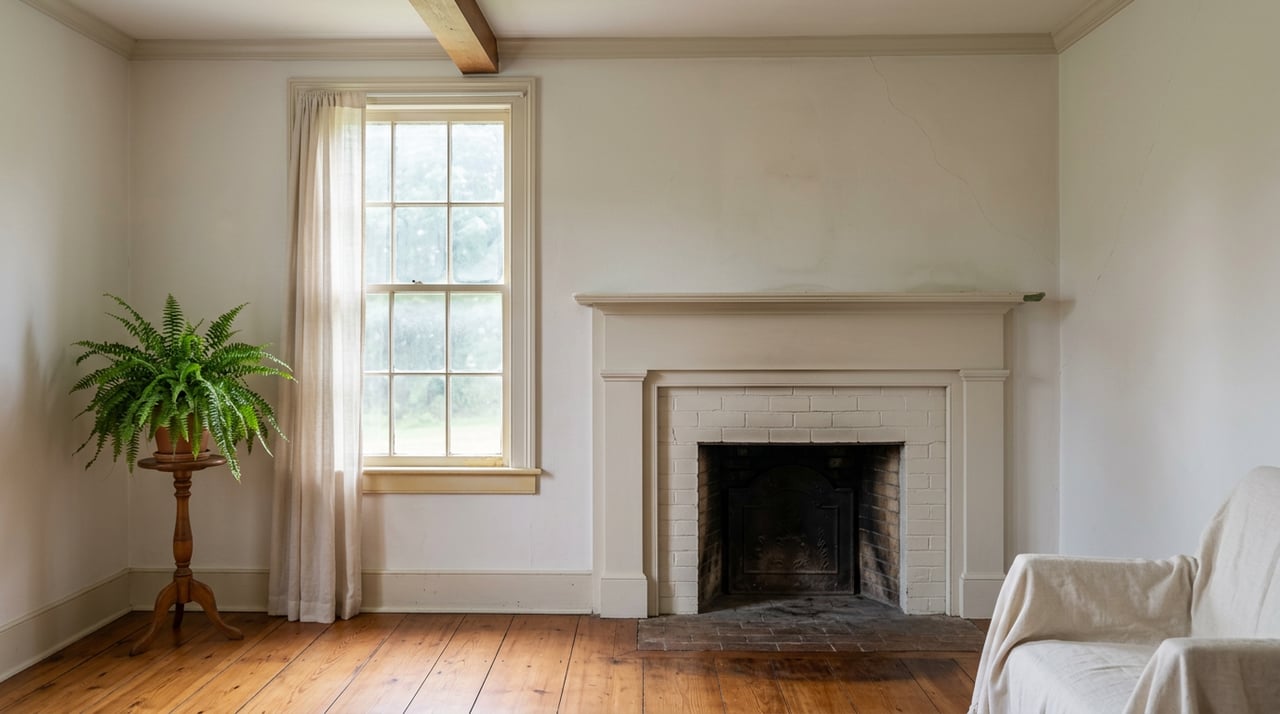
Buying a Historic Home in South Pittsburg TN: What to Know
August 13, 2026
August 13, 2026
Search "South Pittsburg property taxes" and the first number you will find looks almost too good to be true: a median annual tax bill of $218, built on a median assessed home value of $74,100. That is a real, published figure. It is also describing a house that has not changed hands in years, sitting on an assessment that has nothing to do with what you are about to pay for a house here today.
As of August 2026, the median list price in South Pittsburg is $299,000, working out to roughly $186 a square foot, with homes spending a median of 102 days on the market. That is a big gap between the number the internet quotes you and the number a new owner is actually working with. The tax bill is not lying. It is just old.
That gap is the story of this piece, and it runs through two things every buyer here needs to check before closing: what the county's assessed value actually reflects, and what a home this age is actually built with.
Tennessee counties reassess property values on a periodic cycle rather than resetting automatically the moment a home changes hands. That means the assessed value behind South Pittsburg's median tax bill can sit years behind an actual sale price, and in a market where homes are typically trading between $200,000 and $300,000, a $74,100 median assessment is clearly describing an earlier version of this market, not the current one.
Here is what that looks like side by side:
| What you'll find online | What it's actually measuring |
|---|---|
| Median tax bill: $218/year | Based on a median assessed value of $74,100 |
| Effective tax rate quoted: 0.44% | Lower than both the Tennessee median (0.54%) and the national median (1.02%) |
| Current median list price: $299,000 (Aug 2026) | Not yet reflected in the assessment used above |
None of this means South Pittsburg is a hidden tax trap. It means the number you see on a portal calculator is a snapshot of the past, not a quote for the house you are actually buying. If you are budgeting a monthly payment around a $218 annual tax line, you are budgeting around the wrong house.
The fix here is not complicated, it just requires one extra phone call that most buyers skip. Marion County's Assessor of Property, Darrell Pittman, works out of 1 Courthouse Square in Jasper, and that office can tell you the current assessed value on a specific parcel rather than a citywide median from a few years back. If you are under contract on a home priced anywhere near this year's $299,000 median, that call is worth ten minutes before you finalize your budget.
It is also worth knowing that property owners in Marion County can formally appeal an assessment they believe is too high, with the window closing each year on May 31. That cuts both ways for a buyer: it means the number on the house you're buying is not necessarily fixed forever, but it also means you should not assume next year's bill will match this year's quiet one.
The tax bill is not the only thing that undersells what you are buying. A quick walkthrough of an older South Pittsburg house does the same thing in the other direction, it can make a home built in 1905 look move-in ready when the systems underneath tell a different story.
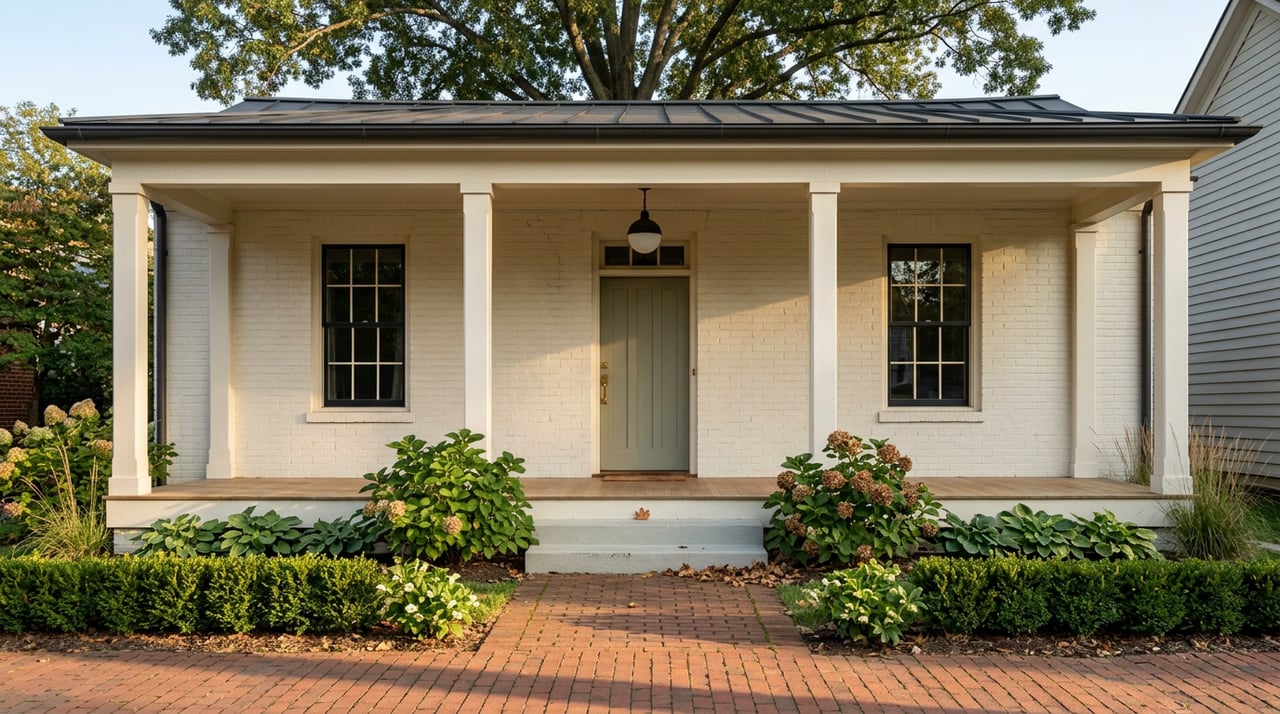
South Pittsburg's downtown residential blocks sit inside a National Register Historic District, and the district's own registration filing is specific about what was actually built here: housing for industrial workers on modest single or double lots, National-style bungalows and American Foursquares, shingle houses drawing on Queen Anne forms, and a run of Dutch Colonial houses built out of rusticated concrete rather than wood. Sheds and garages built before 1930 are common on these lots too, which means the inspection is not just about the house, it is about whatever is standing behind it as well.
Homes this age tend to raise the same handful of flags, regardless of how updated the kitchen looks:
None of this is a reason to avoid an older South Pittsburg home. Homes.com's own guide to the area describes these older houses as fixer-upper opportunities, and that is a fair read on a market where the median price already sits well under the county average. But "fixer-upper opportunity" and "move-in ready" are different budgets, and the only way to know which one you are actually buying is a full inspection, not a walkthrough.
The slower pace of this market works in your favor here. A median of 102 days on the market means sellers are not routinely fielding six competing offers by the weekend, which gives buyers real room to negotiate inspection contingencies rather than waiving them to compete. In a market moving that fast, treat that slower pace as leverage, not a red flag.
Before you write an offer on anything built before 1940 here, ask your inspector directly: is there any indication of prior wiring updates, and has the crawlspace been checked for anything that looks like an old well or cistern. It is a two-sentence question that saves a lot of surprise later.
Buying inside the Historic District does not just change what an inspector finds, it can change what you are allowed to do to the outside of the house afterward. Exterior work on a contributing structure typically runs through the city's building inspector, Wayne Jordan, whose office handles permitting for South Pittsburg proper, separate from Marion County's building official, Gabe Yeargan, who covers unincorporated parts of the county.
The South Pittsburg Historic Preservation Society gives a useful picture of what that oversight culture actually looks like in practice. Their restoration of the Princess Theatre has run past $100,000 in expenses over the years, covering everything from a new roof and rebuilt brick wall to a marquee restoration completed in 2003 and 2004, and the theater's 400 seats and two projectors were donated by the Palace Theatre in Crossville. Their work on the Chapel on the Hill, a rustic stone structure that reverted to city ownership in 2001, has leaned on grants from Marion Natural Gas System and the Sequachee Valley Electric Cooperative along with hands-on help from South Pittsburg High School students.
That is not your renovation timeline, obviously, a homeowner replacing porch railing is not restoring a landmark theater. But it tells you there is an active, organized preservation community here that cares about how exterior changes get made, and if you are buying a contributing structure with plans to change its face, budget time for that conversation, not just money for the materials.
Yes, and the reasons it works are the same reasons it requires a little more homework than a newer subdivision would. The sticker price looks reasonable because it is reasonable, a $299,000 median in a river town this close to Chattanooga is genuinely competitive. The tax bill looks light because the assessment behind it has not caught up to the market yet, which is worth confirming rather than assuming will stay that way. And the housing stock offers real character, Foursquares and bungalows and rusticated concrete Dutch Colonials you will not find in a builder-grade development, provided you go in with eyes open about what a century-old house actually needs.
The slower market gives you the room to do all of this properly. Use it.
If you are weighing a historic-district property here, or trying to figure out what a specific house's current assessment actually looks like before you make an offer, Jessica Wright has walked enough buyers through South Pittsburg's older streets to know which questions save you money before closing rather than after. Let's Connect and talk through the specific property you have your eye on.
Does buying a home in South Pittsburg reset the property tax assessment right away? Not automatically. Marion County reassesses property values on its own periodic schedule rather than resetting the moment a deed transfers, which is exactly why the median figures quoted online can lag well behind current sale prices. Confirming the current assessed value with the Assessor of Property's office before closing is the only way to know what you are actually working with.
What if I want to change the exterior of a home inside the Historic District? Exterior work on a contributing property in South Pittsburg typically goes through the city's building inspector, Wayne Jordan, while unincorporated parts of the county fall under Marion County's building official, Gabe Yeargan. Given the local preservation community's track record on projects like the Princess Theatre, it is worth building extra time into any exterior renovation plan for that review process.
Stay up to date on the latest real estate trends.
Let me help you explore your wants and dreams, from finding land to building your dream home to finding a house to make your home. I look forward to being part of that adventure with you.
JESSICA WRIGHT
338 S Cedar Ave
South Pittsburg, TN 37380
OFFICE HOURS
Monday to Saturday: 8:00 AM to 8:00 PM